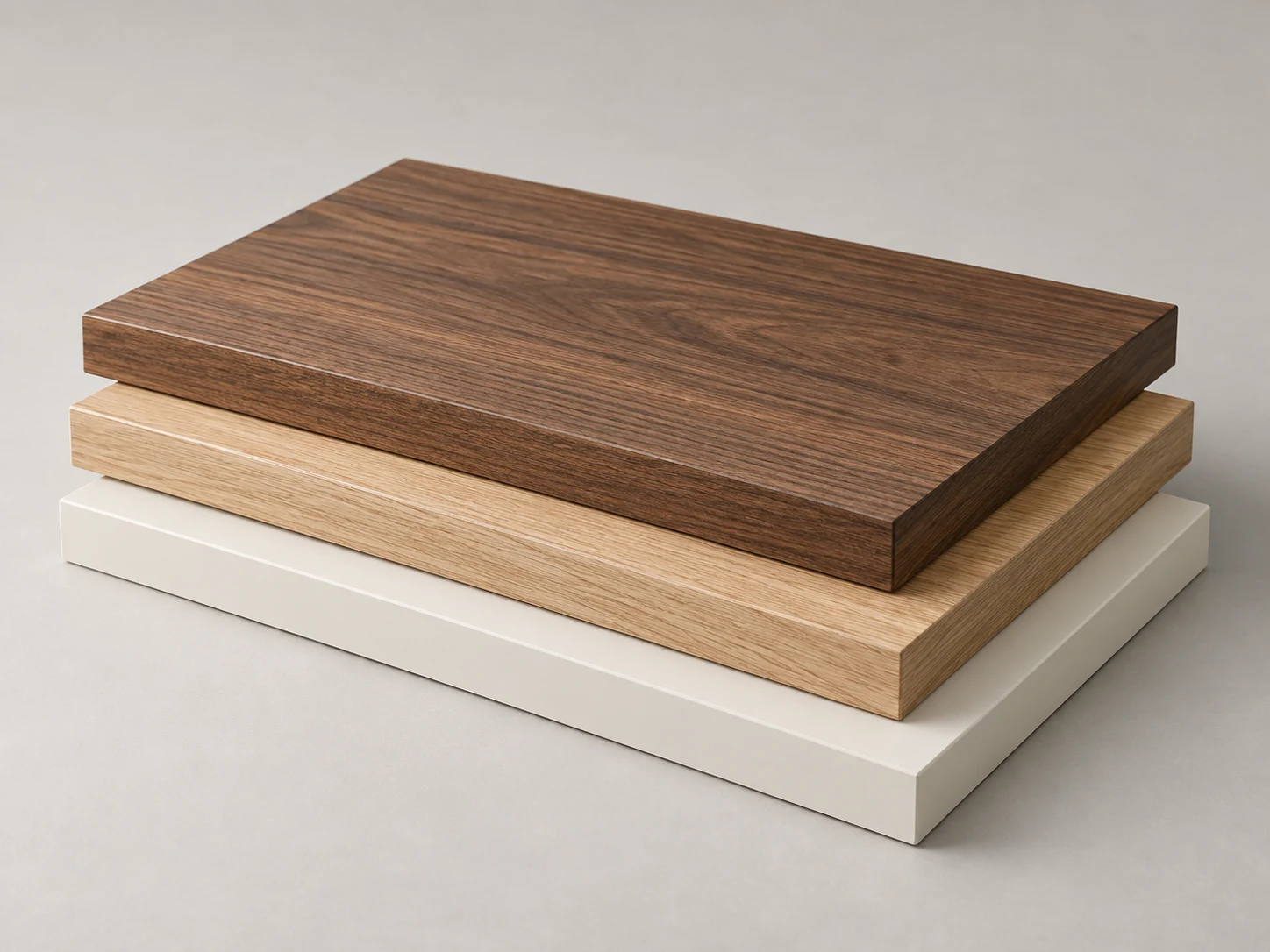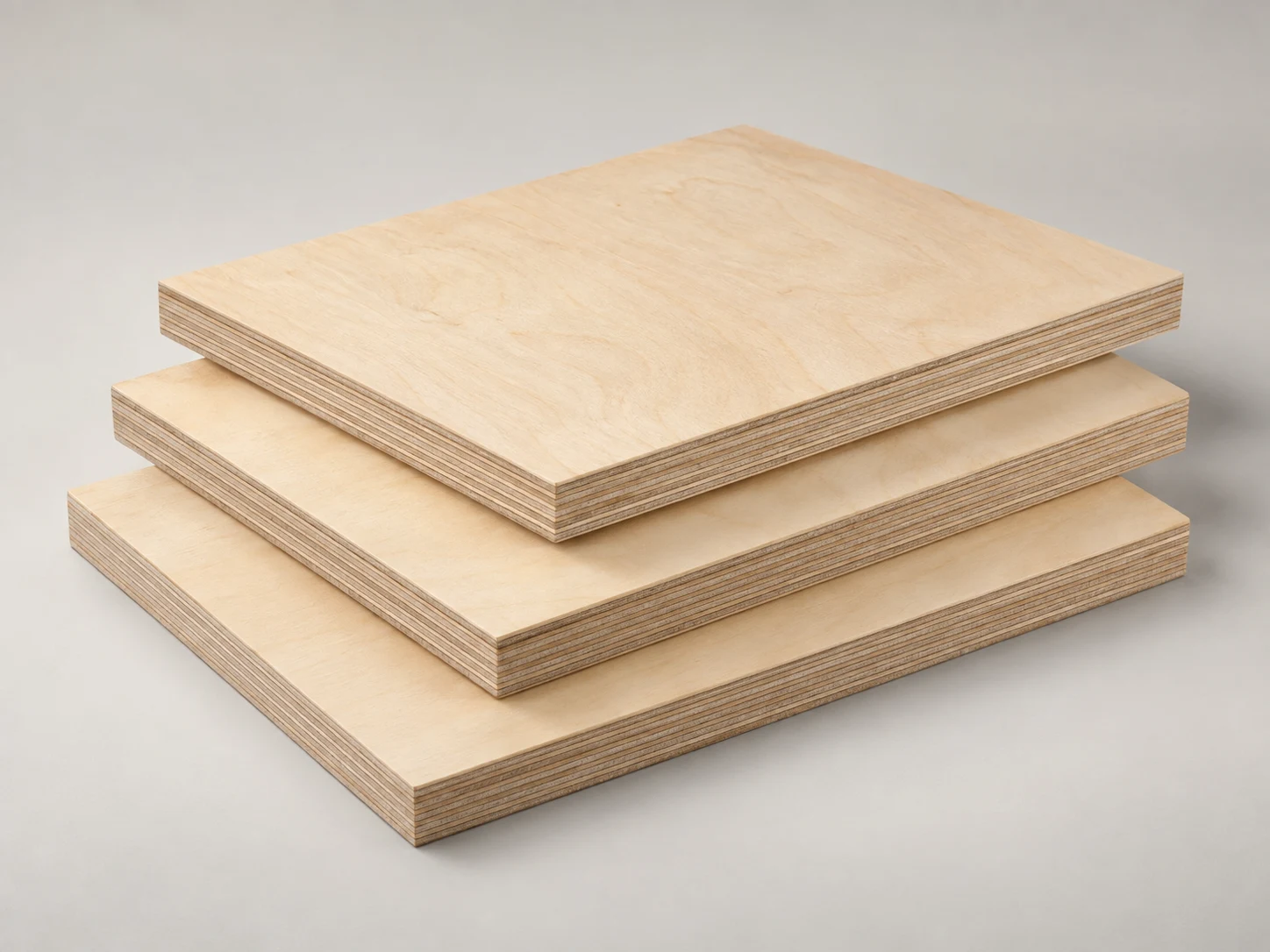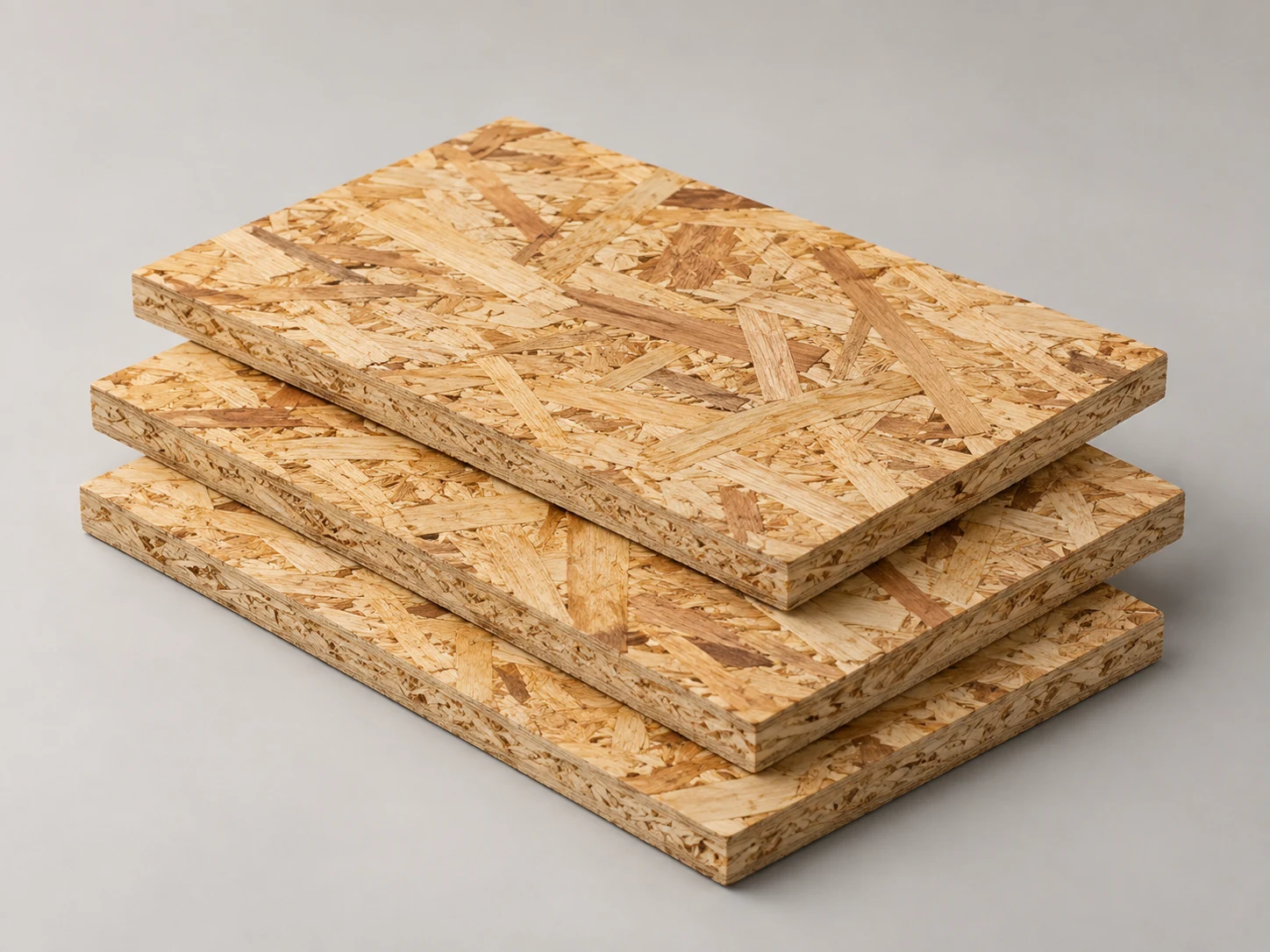


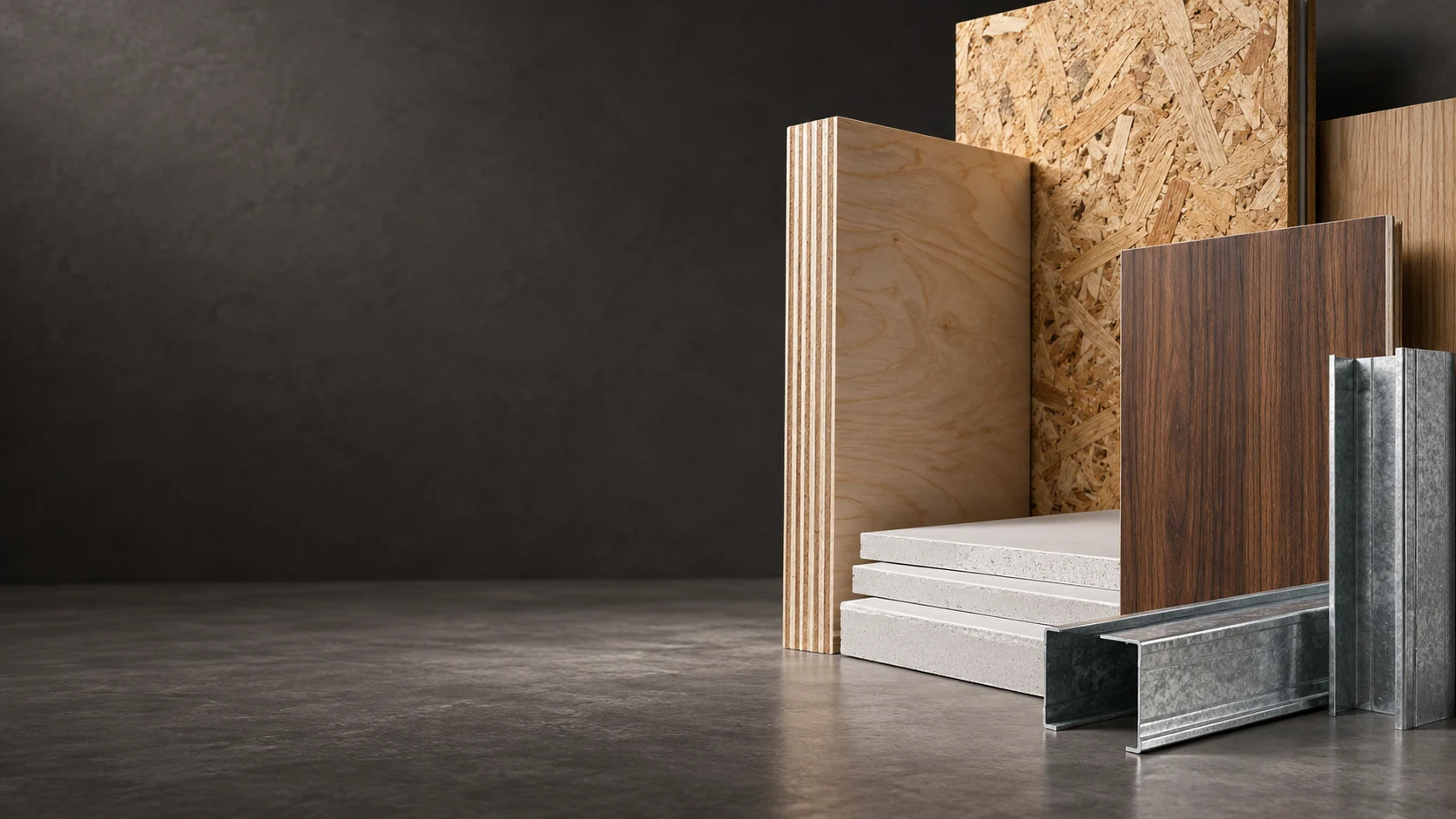
Wood-grain and solid-color finishes: How do they complement cabinetry and the surrounding space?
Published on:
2026-09-18
When pairing wood-grain and solid-color finishes, consider three factors: the space’s primary color, the cabinet surface area, and the on-site lighting; then confirm the final look using physical samples.
Let's take a look at the overall space first
Compare the colors of the walls, floors, doors, and major pieces of furniture side by side. For large cabinet units, it’s best to decide on a primary color first, then select a few complementary patterns, rather than choosing colors for each element separately.
For wood grain, look at the direction; for solid colors, look at the brightness.
For wood-grain finishes, consider the cabinet door dimensions and layout to determine the grain direction and the visual relationship between adjacent panels. For solid-color finishes, compare the light and dark tones, warm and cool hues, and surface textures under different lighting conditions. Screen images are intended only for preliminary reference and cannot replace inspection of the actual product.
Be sure to check the edge banding as well
Compare the finish samples with the edge-banding strips, and clarify the specific matching requirements for cabinet doors, cabinet bodies, and open shelves. When confirming the samples, record the pattern numbers and processing requirements for easy verification later.
Furisen offers a variety of finishes, including wood grain and solid colors; specific available patterns are subject to the confirmed samples and product specifications., or call 13918061815 Discuss the pattern requirements.