


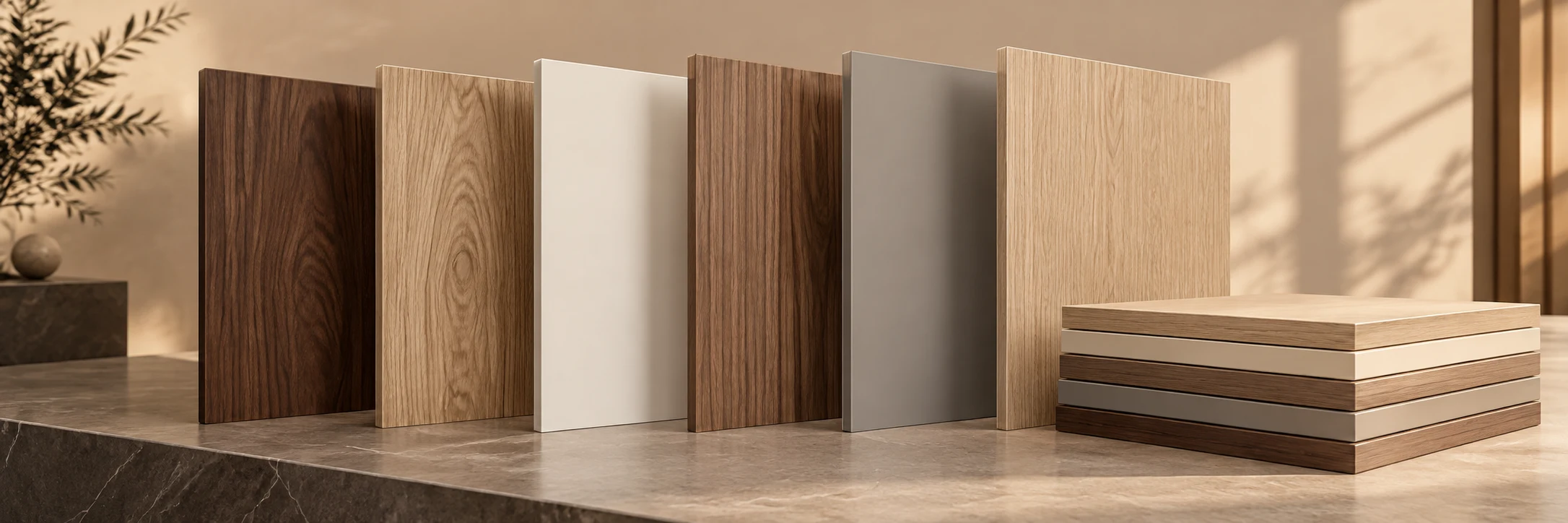
OSB
Product Overview
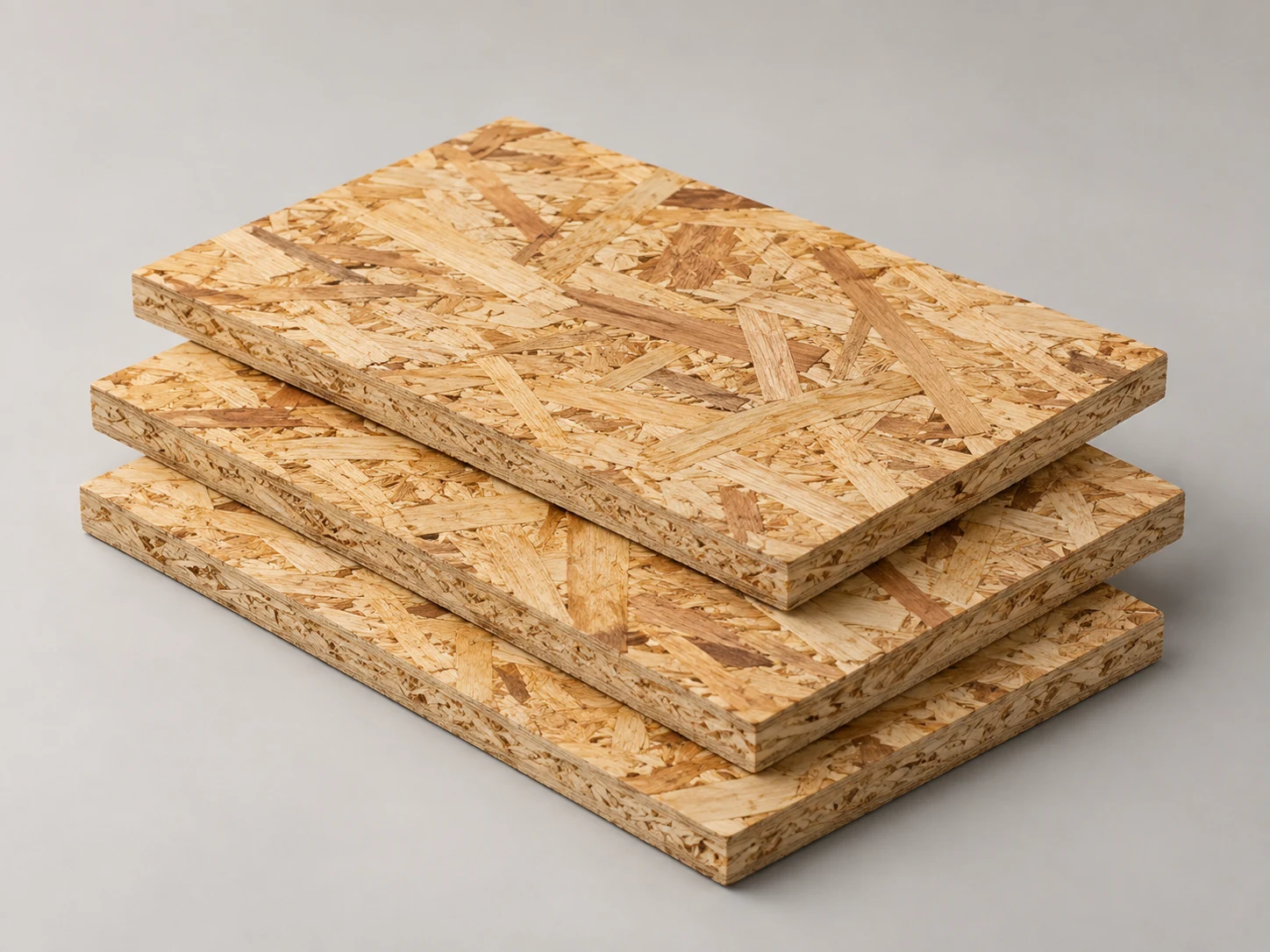
Oriented strand board (OSB), commonly referred to as “Ousong board,” is a type of engineered wood panel made from wood strands that are dried, bonded with adhesive, laid out in a specific orientation, and hot-pressed. The surface layer of wood shavings is typically arranged parallel to the length of the panel, while the core layers are arranged in a crisscross pattern, forming a multi-layered structure with a specific orientation. It is commonly used as a base layer for interior finishing, in furniture manufacturing, and in structural components for timber-frame construction.
Category:
Keywords:
Product Details
Ousong Board Product Introduction
Oriented strand board (OSB), commonly referred to as “Ousong board,” is a type of engineered wood panel made from wood strands that are dried, bonded with adhesive, laid out in a specific orientation, and hot-pressed. The surface layer of wood shavings is typically arranged parallel to the length of the panel, while the core layers are arranged in a crisscross pattern, forming a multi-layered structure with a specific orientation. It is commonly used as a base layer for interior finishing, in furniture manufacturing, and in structural components for timber-frame construction.
Product Features
Compact structure: The oriented strand board (OSB) structure provides the panels with a certain degree of load-bearing and bending resistance; specific performance depends on the product grade, thickness, and direction of the applied force.
Easy to process: It can be sawed, drilled, and fastened with screws, making it suitable for a variety of substrates and furniture-making needs.
Distinctive Texture: The surface retains the texture of wood shavings and can be used for decorative purposes as needed in the design.
A wide variety of sizes: Products of different thicknesses, dimensions, and performance grades can be selected based on the application and design requirements.
Highly adaptable: Can be used in conjunction with wooden furring strips, connectors, and finishing materials to meet various structural requirements.
Main Applications
| Application Areas | Common Uses |
|---|---|
| Substrates for Interior Finishing | Wall lining panels, base layers for decorative elements, and localized anchoring base layers |
| Furniture Making | Cabinet bodies, back panels, and other furniture components should be selected based on the finishing process. |
| Finishing Layer | Using the texture of wood shavings to create distinctive walls, display installations, and more |
| Building Structural Systems | Products that meet the relevant structural and functional requirements can be used as substrates for wall cladding, roofing, and flooring. |
Selection Guidelines
OSB is not the same as waterproof panels, nor does it necessarily mean low formaldehyde content. When purchasing, verify the product’s intended use, performance grade, thickness, and formaldehyde emission test data. In humid environments, select products of the appropriate grade and ensure proper moisture protection and edge sealing. When used in load-bearing structures, materials must be selected and installed according to design requirements; ordinary decorative panels cannot be used as direct substitutes.


Quick Navigation
Contact Us
Cell Phone:13583972007
Cell: 13225319555
Email: libin00999@163.com
Address: Room 3482, Area A, 3rd Floor, Building 1, No. 9138 Beiqing Highway, Qingpu District, Shanghai
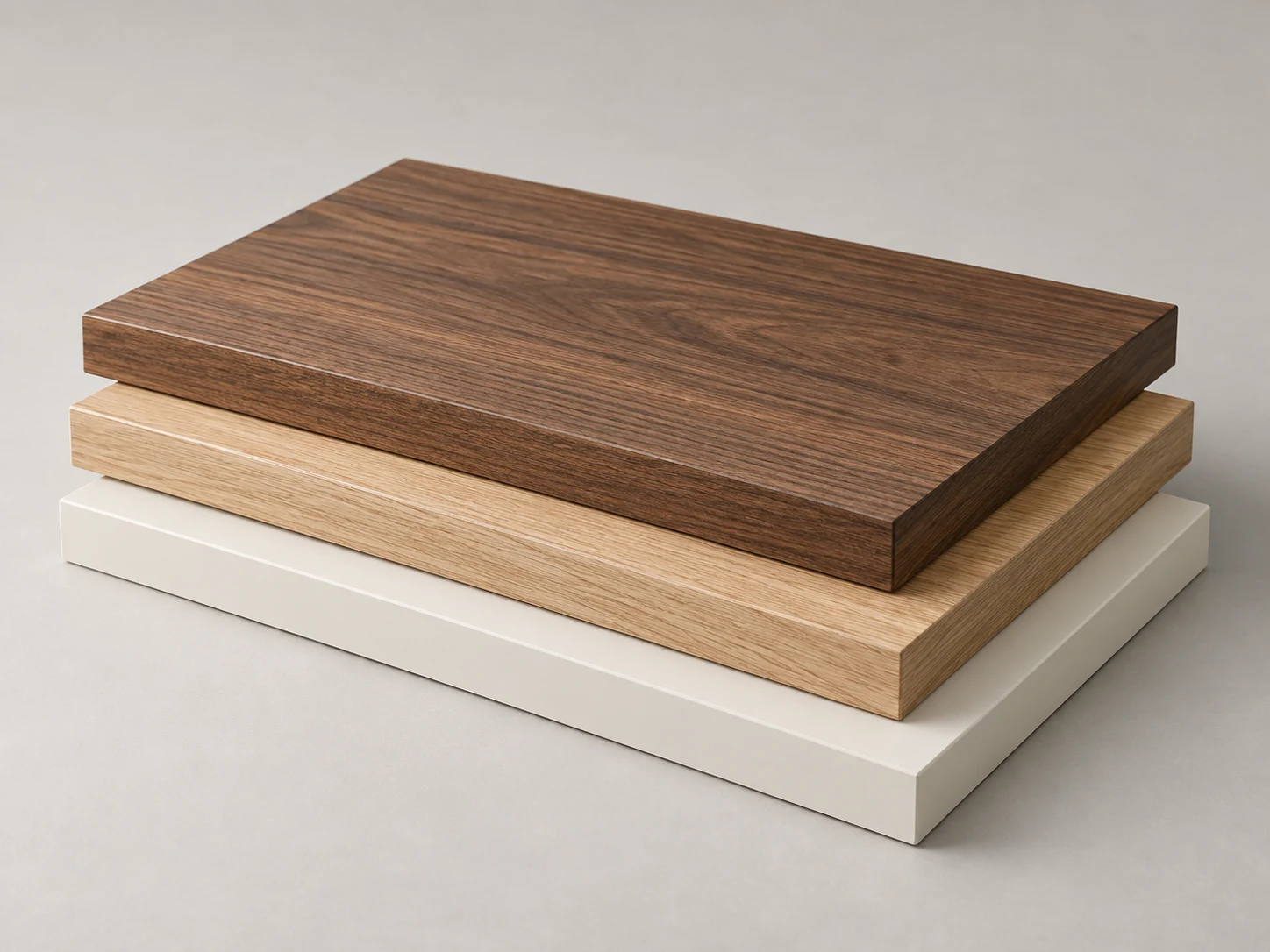
Double-sided decorative panel
Flame-Retardant Board
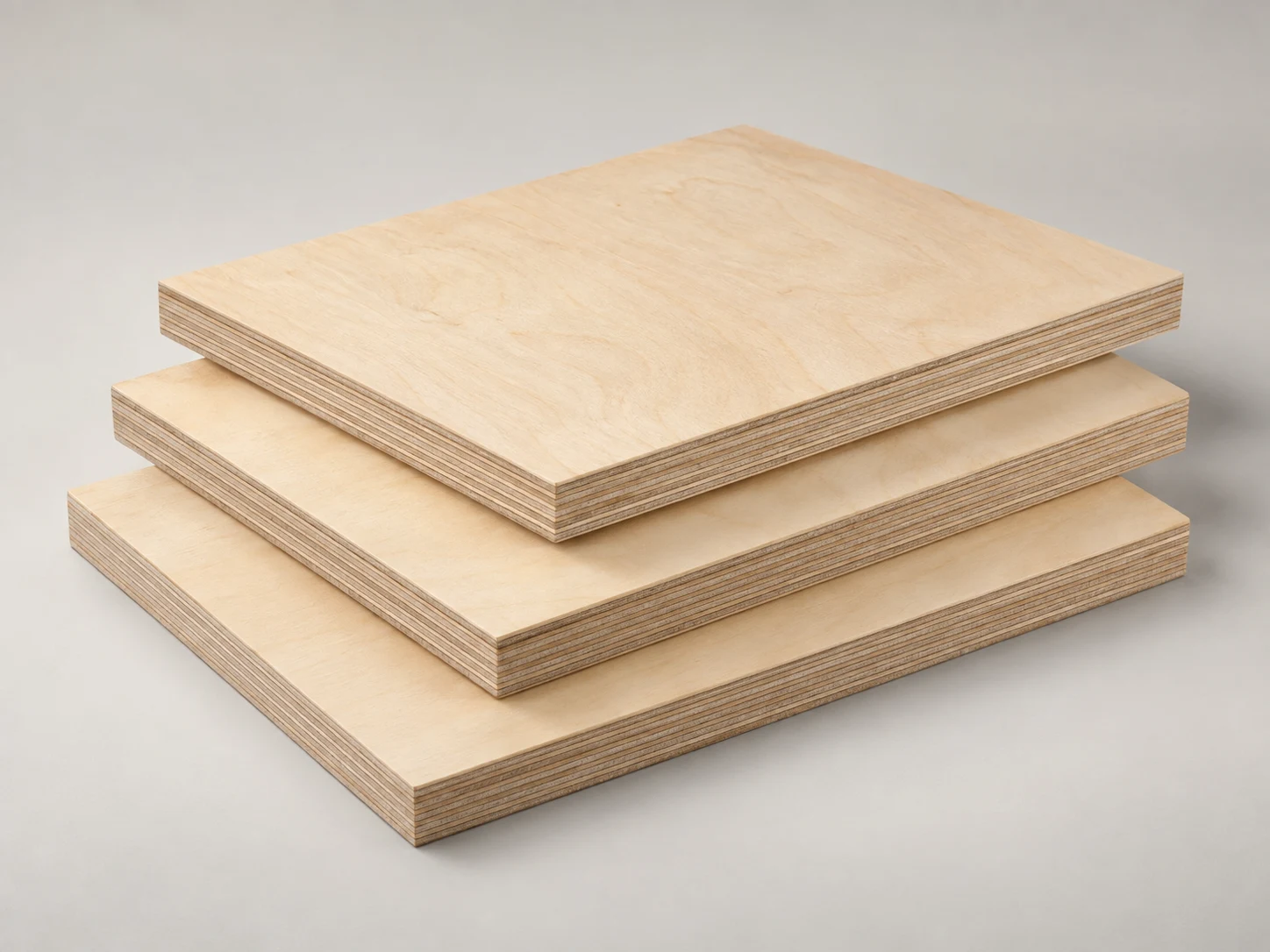
Oriented Eucalyptus Plywood
© Fulvisen · Shanghai Jifeng New Materials Technology Co., Ltd.